
Es Revellar Art Resort Galleries
The aim of this art installation is to bring art and nature together to be enjoyed in a tranquil complex set in an original 15th century Mallorcan country estate.
Discover and book the top Mallorca sights
The aim of this art installation is to bring art and nature together to be enjoyed in a tranquil complex set in an original 15th century Mallorcan country estate.

This recently renovated museum has opened its doors for a second year with a renewed image and many new developments.

Rialto Living is Palma's most famous interior design and concept store. Located right in the heart of the city, it has a small art gallery inside with temporary art exhibitions.

Billed as Mallorca's most important museum, this undoubtedly contains some fascinating exhibitsbut beware that it is difficult to get excited about bits of stone in glass cases if you do not understand the captions. The museum has recently been refurbished, so we are hoping it is now more tourist-friendly.

Discover how Mallorcans lived in prehistoric times in this archaeological museum, where you can see the results of excavations carried out on the site of Son Fornes.

The Museu del Fang (pottery museum) aims to promote the many different techniques, shapes and functions that clay has had in different cultures.

Can Planes Museum of Contemporary Art is located in sa Pobla in the north of Mallorca. It occupies the ground floor of the old manor house Can Planes that was refurbished and modified in 1998. It's permanent collection is composed of over a hundred works by artists living in Mallorca.

This seventeenth century house is where artist Dionis Bennassar lived for half his life. It is now home to the Dionis Bennàssar Foundation, which is a cultural foundation of private non-profit organization created to promote, publicize and defend the manifestations of the human spirit.

Just next to the cathedral is the impressive Palau March (Bartolome March Foundation) with a great collection of 20th century sculpture.
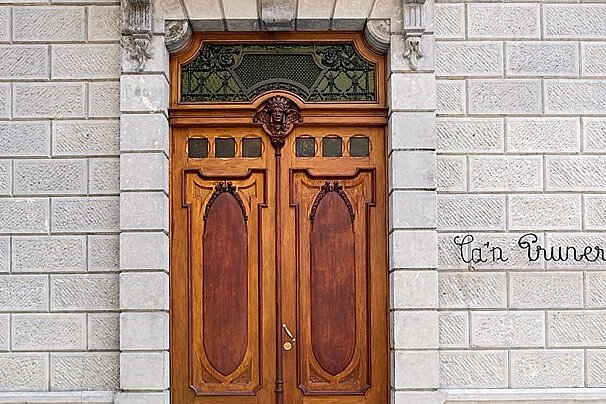
Housed in a wonderful Modernist building, Can Prunera was built in the early 20th century and the museum was opened on 24 August 2009. The vast majority of works on display at this museum belong to the Fundació d’Art Serra.

The CCA Andratx Art Centre is dedicated to the creation and exhibition of contemporary art and is one of the largest centres of contemporary art in the Balearic Islands as well as the rest of Europe. The art gallery displays paintings, sculptures, installations, graphics and photographs from international and local artists, some of which are also for sale.

With twin turrets and an angel over the door, this 15th-century seafront building looks half-castle, half-church. In fact it is neither.

Es Baluard Museum of Modern & Contemporary Art was opened in 2004 as a cultural institution for research and dissemination of Balearic & Mediterranean art from the 20th and 21st centuries.

This museum is a naturalist entity dedicated to exhibiting and conserving the natural heritage of the Balearic Islands and making the general public aware of the importance of its preservation.

The Gran Hotel was Palma's first luxury hotel when it opened in 1903. Designed by the Catalan architect Lluis Domenech I Montaner, it was the building that began the craze for modernists (art nouveau) architecture in the city.

Museum located in the house where the famous friar spent his childhood. It shows the typical way of life in Mallorca in the 18th century.

This small museum of religious and historical antefacts is based in a wing of the former episcopal palace tucked behind the cathedral.

The painter and sculptor Joan Miro spent most of his life in Barcelona, but both his wife and mother were Mallorcan and he always longed to return to the scene of his childhood holidays to draw inspiraton from what he called "the light of Mallorca".