
Es Revellar Art Resort Galleries
The aim of this art installation is to bring art and nature together to be enjoyed in a tranquil complex set in an original 15th century Mallorcan country estate.
Discover and book the top Mallorca sights
The aim of this art installation is to bring art and nature together to be enjoyed in a tranquil complex set in an original 15th century Mallorcan country estate.

Rialto Living is Palma's most famous interior design and concept store. Located right in the heart of the city, it has a small art gallery inside with temporary art exhibitions.

Mallorca's most sacred site - a former monastery in a spectacular setting in the Serra de Tramuntana mountains to the north west of Mallorca.

This recently renovated museum has opened its doors for a second year with a renewed image and many new developments.

Santueri Castle sits on top of a rocky outcrop some 475 metres above sea level. It is a stunning, well preserved castle with remarkable views of the south east of Mallorca and the Cabrera Islands on a clear day. The present walls date from the 14th century but a fortification has existed here since Roman times.

A royal palace has stood on this site next to Palma's cathedral since the Muslim walis (governors) built their alcazar soon after the Arab conquest.

Based on the collection of Antoni Roig Clar, this museum showcases over 3,000 toys from all around the world and from different eraas.
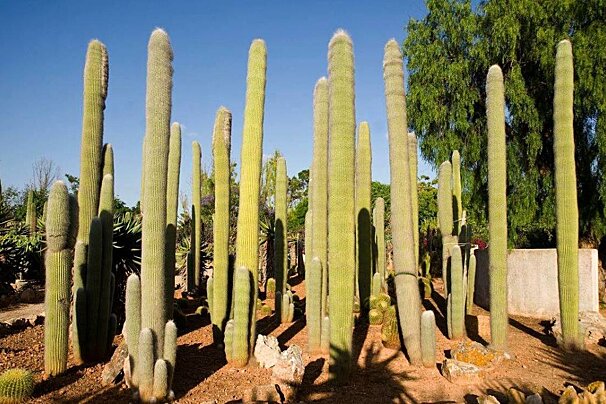
Botanicactus is one of Europe's largest botanical gardens, with bamboo and palm trees and dozens of varieties of cactus.

The painter and sculptor Joan Miro spent most of his life in Barcelona, but both his wife and mother were Mallorcan and he always longed to return to the scene of his childhood holidays to draw inspiraton from what he called "the light of Mallorca".

Ses Rotes Horses & Wine offers an equestrian centre alongside local wines in the serene countryside near Esporles and a unique experience for nature lovers, wine enthusiasts and equestrians.

The Museu del Fang (pottery museum) aims to promote the many different techniques, shapes and functions that clay has had in different cultures.

A wonderful 18th-century Baroque building with feature courtyard and decorative touches, Casal Solleric is now home to temporary exhibitions specialising in contemporary art and photography.

This small museum of religious and historical antefacts is based in a wing of the former episcopal palace tucked behind the cathedral.

The CCA Andratx Art Centre is dedicated to the creation and exhibition of contemporary art and is one of the largest centres of contemporary art in the Balearic Islands as well as the rest of Europe. The art gallery displays paintings, sculptures, installations, graphics and photographs from international and local artists, some of which are also for sale.

Just next to the cathedral is the impressive Palau March (Bartolome March Foundation) with a great collection of 20th century sculpture.
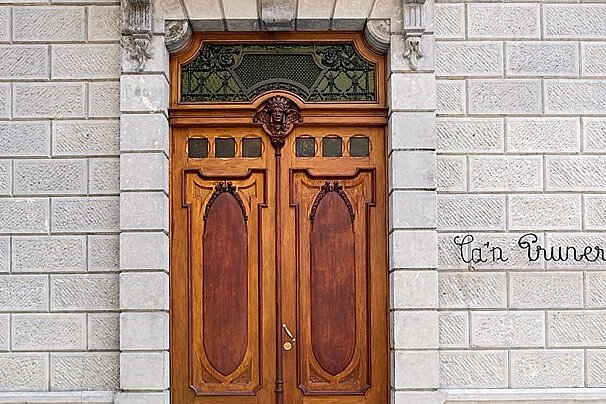
Housed in a wonderful Modernist building, Can Prunera was built in the early 20th century and the museum was opened on 24 August 2009. The vast majority of works on display at this museum belong to the Fundació d’Art Serra.

The Museu Fundación Juan March houses a small collection of 20th century Spanish art shich belonged to the Mallorcan banker Joan March, once one of the world's richest men.

This old hermitage, 509m above sea level at the highest point of the Serra de Llevant near the town of Felanitx, was the senior house of Mallorca's monastic order and the last to lose its monks in 1992.