
Rialto Living Art Gallery
Rialto Living is Palma's most famous interior design and concept store. Located right in the heart of the city, it has a small art gallery inside with temporary art exhibitions.
Discover and book the top Mallorca sights
Rialto Living is Palma's most famous interior design and concept store. Located right in the heart of the city, it has a small art gallery inside with temporary art exhibitions.

The aim of this art installation is to bring art and nature together to be enjoyed in a tranquil complex set in an original 15th century Mallorcan country estate.

Mallorca's most sacred site - a former monastery in a spectacular setting in the Serra de Tramuntana mountains to the north west of Mallorca.

This recently renovated museum has opened its doors for a second year with a renewed image and many new developments.
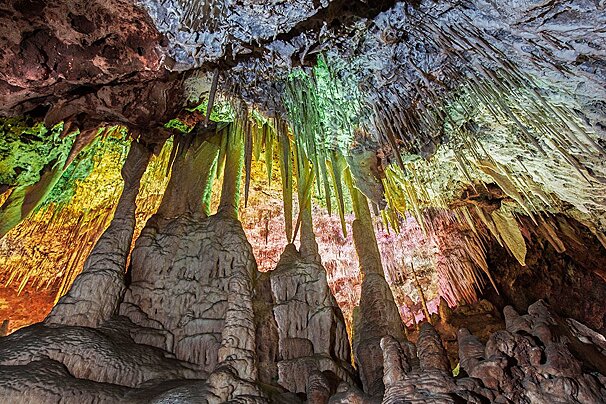
You cannot miss these caves as you drive from Manacor to Porto Cristo. Most people only want to visit one set of caves during their time on Mallorca and the giant billboards and flags at the entrance are an attempt to ensure that this is the one. In fact you are better off continuing to the 'Cuevas del Drach' or up the coast to the 'Coves d'Arta'.

The Bartolome March Foundation have opened this wonderful house to the public, visits are by reservation only and consist of a guided tour.

This old hermitage, 509m above sea level at the highest point of the Serra de Llevant near the town of Felanitx, was the senior house of Mallorca's monastic order and the last to lose its monks in 1992.
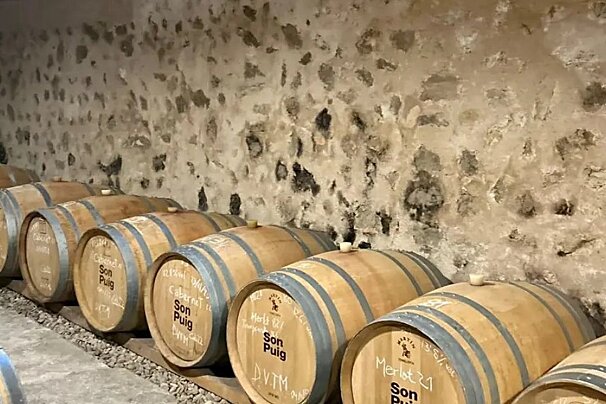
Bodegas Son Puig is a small family-run winery producing wine from the Son Puig estate in the Puigpunyent valley, located within the Serra de Tramuntana in Mallorca. A limited series of wines are made from manually picked grapes grown exclusively onsite.

Can Planes Museum of Contemporary Art is located in sa Pobla in the north of Mallorca. It occupies the ground floor of the old manor house Can Planes that was refurbished and modified in 1998. It's permanent collection is composed of over a hundred works by artists living in Mallorca.

Based on the collection of Antoni Roig Clar, this museum showcases over 3,000 toys from all around the world and from different eraas.

This eclectic mixture of art and sculpture, set in beautiful parkland in the north of Mallorca is one to put on your list of things to do.
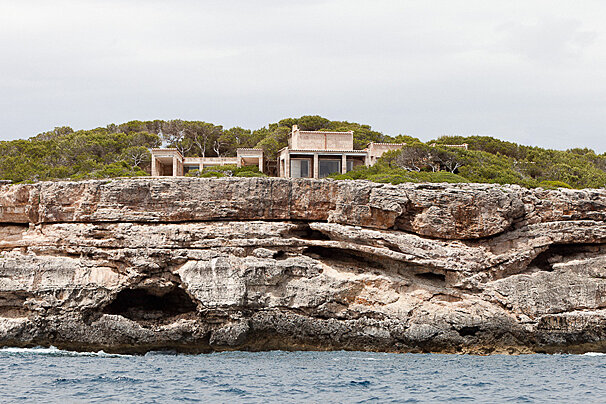
Jørn Utzon was a Danish architect who designed the iconic Sydney Opera House. He retired to Mallorca in the 1970's and built his house, Can Lis on the cliffs by Portopetro in the south east of Mallorca.

With twin turrets and an angel over the door, this 15th-century seafront building looks half-castle, half-church. In fact it is neither.

Originally the Archaeological museum of Manacor, it has changed its philosophy over the years due to the variety of its collections. The museum is now a true historical museum and showcases many different periods throughout the areas history.

The Gran Hotel was Palma's first luxury hotel when it opened in 1903. Designed by the Catalan architect Lluis Domenech I Montaner, it was the building that began the craze for modernists (art nouveau) architecture in the city.

Es Baluard Museum of Modern & Contemporary Art was opened in 2004 as a cultural institution for research and dissemination of Balearic & Mediterranean art from the 20th and 21st centuries.

Ses Rotes Horses & Wine offers an equestrian centre alongside local wines in the serene countryside near Esporles and a unique experience for nature lovers, wine enthusiasts and equestrians.

Spain gets the theme-park treatment at this 'village' in the outskirts of Palma, where reproductions of famous buildings from Cordoba, Toledo and Madrid are gathered together with typical houses from the Spanish regions.