Mallorca's beaches have earned serious recognition in 2026, with 22 beaches and 11 marinas across the island awarded the prestigious Blue Flag label. The Blue Flag is awarded by the Association for Environmental and Consumer Education (Adeac) and recognises excellence in water quality, safety, environmental management and visitor facilities.
Well-known for their turquoise waters and top-notch facilities, Mallorca's beaches are some of the most celebrated in the world. It's no surprise that the island continues to lead the way on quality standards. And with Spain once again topping the global Blue Flag rankings in 2026, reaching a record 677 award-winning beaches, Mallorca is very much part of that success story.
Well-known for their crystalline turquoise waters, soft white sand and wide range of facilities, Mallorcan beaches are among the most famous in the world so it's not surprising that a whopping 22 of them have been awarded the coveted Blue Flag.
The 22 beaches awarded a Blue Flag in Mallorca this year are spread across 11 municipalities:
Alcudia: Alcudia
Andratx: Sant Elm
Felanitx: Cala Marcal, Cala Sa Nau and Porto Colom (Platja S'Arenal)
Muro: Muro
Palma: Cala Estancia, Cala Major and Ciutat Jardi
Pollenca: Cala Barques, Cala Molins and Formentor
Sant Llorenc des Cardassar: Cala Millor (Cala Nau) and Sa Coma
Santa Margalida: Can Picafort, Son Baulo and Son Serra
Santanyi: Cala Mondrago (Sa Font de n'Alis) and S'Amarador
Ses Salines: Es Port-Es Dolc
Son Servera: Cala Millor and Es Ribell
Blue Flag Marinas in Mallorca 2026
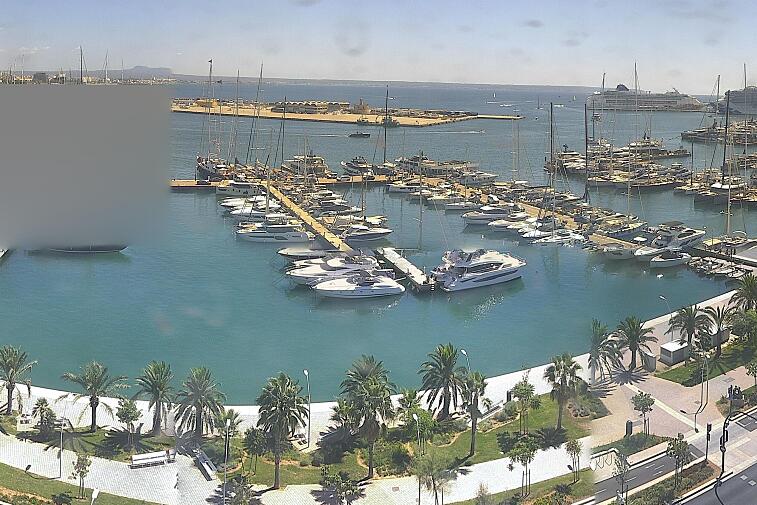
Alongside its beaches, 11 of Mallorca's ports and nautical facilities have also been awarded the Blue Flag this year:
Alcudia: Alcudia Mar Puerto Turistico Deportivo
Andratx: Marina Port Andratx
Felanitx: Porto Colom
Llucmajor: Club Nautic S'Arenal
Manacor: Club Nautic Porto Cristo
Palma: Club Nautic Cala Gamba, Marina Port de Mallorca and Real Club Nautico de Palma
Santanyi: Port de Cala Figuera
Ses Salines: Port de la Colonia de Sant Jordi
Soller: Port de Soller
Blue Flags are given out by an independent organisation called the Foundation for Environmental Education (FEE). Beaches are evaluated each year and monitored for their facilities and cleanliness. Based on 32 separate criteria, each beach or marina is judged on the quality of the water, safety and services (including lifeguards and first aid), information for beach users, environmental education and protection of the coastal environment.