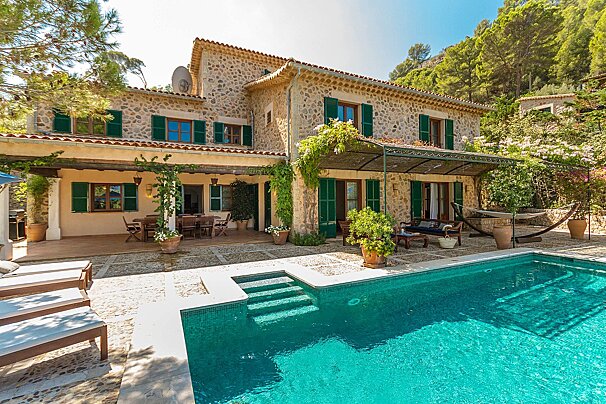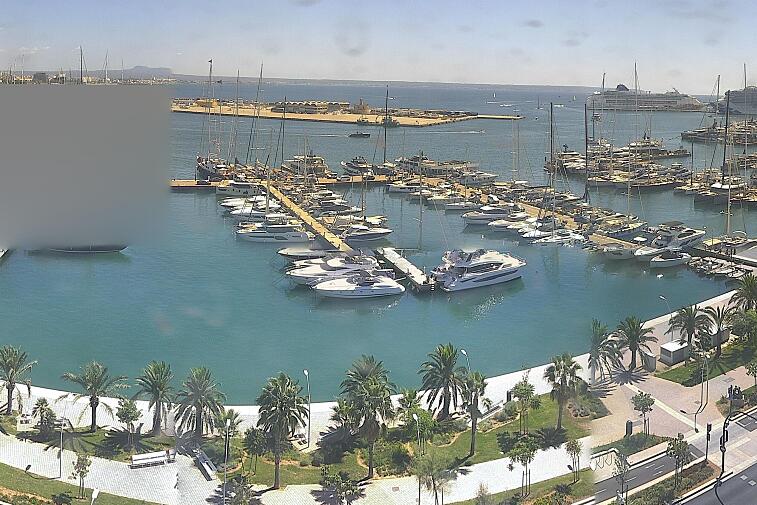


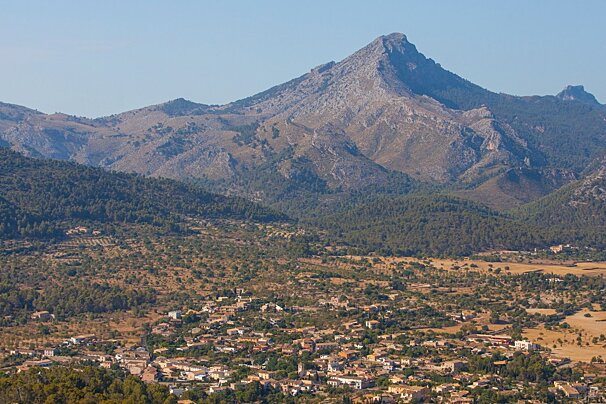
The charming village of Puigpunyent is nestled in a scenic valley on the southeastern slopes of the rugged Serra de Tramuntana mountains. Its beauty is enhanced by forests of pine and evergreen oaks, along with groves of olive, almond, and carob trees.


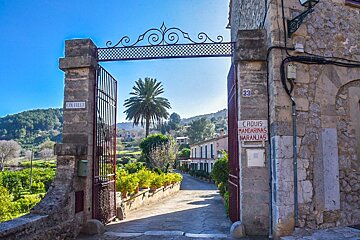


Puigpunyent
A picturesque mountain village
A relaxed, slow pace of life can be found in Puigpunyent, and an expat community has been created here in recent years. It's especially popular amongst young families and those fond of outdoor pursuits. A couple of quality restaurants and cafes are attractive enough to bring in a few tourists, alongside the popular hiking and cycling trails passing through the village.
Events in Puigpunyent
The local market
Puigpunyent hosts a small weekly market every Saturday morning where the village comes to life.
Music, religion, sports and more
The town also has some exciting annual events in its calendar to look forward to, with the two most famous taking place in August.
The Puigpunyent Music Festival, where talented musicians falling under various genres put on spectacular performances for music lovers to enjoy, is growing in popularity year on year.
The main summer festival, the Festes de la Mare de Deu d'Agost i Sant Roc, consisting of sports competitions, arts and crafts, music, food, fire runs and more.
Events in Puigpunyent
See all Events in Puigpunyent-
Visit website 
Evolution Mallorca International Film Festival
For innovative, provocative, socially-relevant filmmakers
EMIFF is based in the heart of the Mediterranean, in Mallorca’s buzzing and culturally rich capital city of Palma.
Read more about Evolution Mallorca International Film Festival
-
Visit website 
La Mostra Calvia Tardor - Calvia Food Show
Enjoy special menus in Calvià from Illetas to Peguera
La Mostra Calvià Tardor is Calvià's annual autumn food festival, organised by the Fundació Calvià 365 and celebrated across four consecutive weekends each October and November. Around 45 restaurants take part each year, offering specially curated set menus.
-
Visit website 
Halloween at Katmandu Park
Celebrate Halloween at the most famous theme park in Mallorca
The Halloween spirit invades Katmandu Park with millions of adventures, new attractions, contests, spooky monsters and much more.
-
Visit website 
Pirates Halloween
Family-friendly Halloween entertainment
The Pirates Halloween special is one of Mallorca's most celebrated nights out, taking the island's legendary dinner show and giving it a deliciously wicked twist. It's the perfect blend of spectacle and spookiness for all the family.
-
Visit website 
Deia International Music Festival
Classical music concerts at world famous locations in Deia and Valldemossa
In 1978, a group of professional and amateur musicians came together under the name ‘Paramusical Workshop' and began performing concerts in Llucalcari and the Deià church. This marked the humble beginnings of what is today known as the Deià International Music Festival. The quality and quantity of the guest artists have been growing steadily ever since.
-
Visit website 
Dragon Winter Series
The Mediterranean Cup of the Dragon Class
A regatta circuit in which top national and international sailors compete, Puerto Portals has become the port with the largest fleet of Dragons in Spain and a benchmark on the international circuit.


History & Culture in Puigpunyent
Puigpunyent's early history
The name Puigpunyent derives from the Latin phrase ‘podinum pungentem’, translated in English as sharp mountain or acute hill. People believe it pays tribute to the pointed peak of Puig de Galatzó (1,027m), which can be seen from all around town.
The Talaiot sites that surround the village of Puigpunyent date back thousands of years and suggest that this area was one of the first inhabited on the island. Son Serralta, Son Burguet, Son Puig and Ses Casotes, plus the necropolis of Casat Nou are the most famed. A 3,200-year-old, well-preserved Bronze Age sword was discovered by archaeologists under the leadership of Jaume Deya and Pablo Galera on the site of Serral de ses Abelles.
The Moorish influence and up to modern day
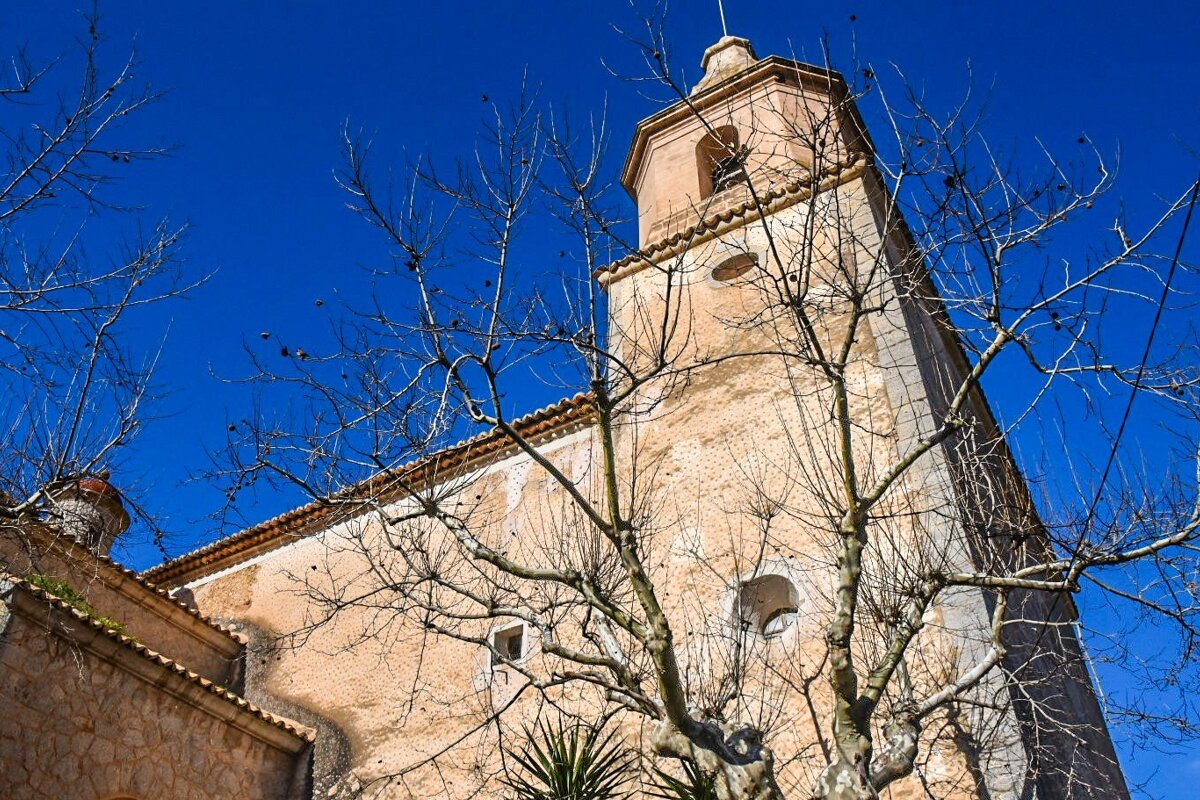
Under the Muslim reign, between 902 and 1229 AD, the moors cultivated this area for farming by creating water mills, canals, fountains, channels for the torrents, ponds and reservoirs. After the Catalans reclaimed the island in the 13th century, the church of Puigpunyent was built and was, in fact, one of the first to be built on the island as authorised by Pope Innocence III, in 1237. During this period, the cultivation of vines and olive trees increased and generated wealth in the area.
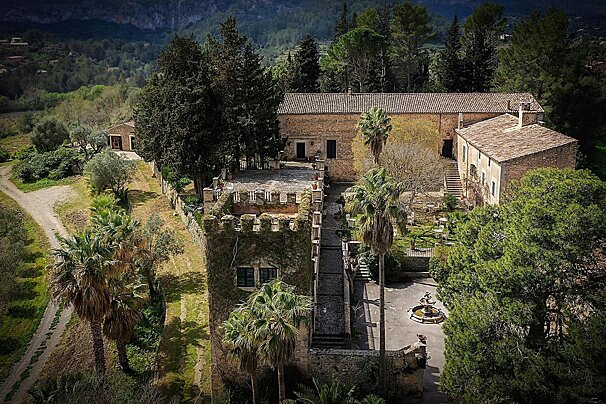
Until the middle of the 20th century, agriculture and cattle raising were the two main occupations. Some of the island's most majestic country mansions surround the village. Traditionally, these grand estates were the heart of village life. In recent years, many of these have been snapped up by wealthy expats.
Sights & Attractions in Puigpunyent
History, architecture and culture in Puigpunyent
Enjoy taking a stroll through La Reserva Puig de Galatzó natural park and its forest of evergreen oaks. Here you can relax with the refreshing waterfalls along the trail and discover the many endemic plants and animals. Within the reserve, there’s also an adventure park with zip wires, rock climbing and Amazonian bridges that make for a great family day out.
Sights in Puigpunyent
See all Sights in Puigpunyent-
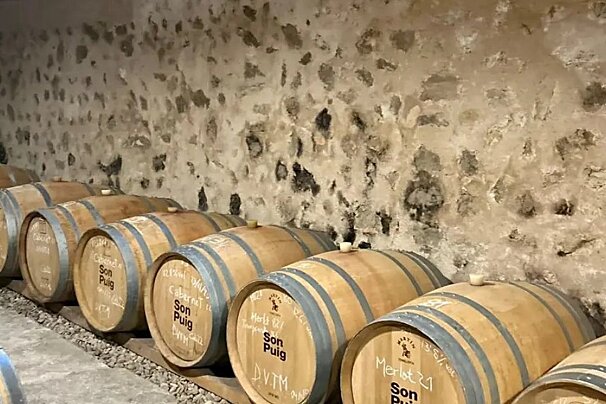
Bodegas Son Puig 
Bodegas Son Puig
A family-run winery nestled in Mallorca's Serra de Tramuntana, producing limited-edition wines from estate-grown grapes.
Bodegas Son Puig is a small family-run winery producing wine from the Son Puig estate in the Puigpunyent valley, located within the Serra de Tramuntana in Mallorca. A limited series of wines are made from manually picked grapes grown exclusively onsite.
Beaches in Puigpunyent
Nestled in the Tramuntana mountain range, this area doesn’t have a local beach, but several stunning coastal spots are just a short drive away. Cala Major, Illetas, and Portals beaches can all be reached within 25 minutes.
Beaches in Mallorca
See all Beaches in Mallorca-
Cala Banyalbufar 
Cala Banyalbufar
An awe-inspiring hidden bay tucked away in the quaint coastal village of Banyalbufar
Offering a distinctly different experience from the more typical Mallorcan beaches, Banyalbufar is carved into the dramatic foothills of the Serra de Tramuntana. This small bay bears a few signs of regular usage, with terraced slopes and protective structures that blend harmoniously with the natural surroundings. Once difficult to access, Cala Banyalbufar is now easily reachable via a windy round, allowing all to discover its quiet beauty.
-
Ciudad Jardin Beach 
Ciudad Jardin Beach
Friendly ‘Blue Flag’ beach that's located in the Bay of Palma
The small resort town of Ciudad Jardin lies around five kilometres east of Palma. Its beach, also commonly referred to as ‘Ciutat Jardi’, lies alongside a quiet promenade lined with palm trees, offering a huge variety of different styled bars and restaurants.
-
Cala Major Beach 
Cala Major Beach
Idyllic but lively sandy beach featuring stunning turquoise waters
Cala Major is located within Palma Bay, around four kilometres to the west to the city of Palma.
-
Portals Nous (Oratori) Beach 
Portals Nous (Oratori) Beach
Popular 'Blue Flag' beach famous for its chiringuito-style beach bar
Playa Oratori is the popular local beach for Portals Nous and Puerto Portals.
-
Illetas Beach 
Illetas Beach
Sheltered bay with an upmarket feel located in the Bay of Palma
Only 9km from the capital of Palma, Illetas is a holiday resort claiming three picture-perfect beaches. Illetas beach is the main beach, and is more sheltered than the huge stretch of sand that makes up the beach in front of Palma's cathedral, making this one of the nicest beaches in the Bay of Palma.
-
Palma Nova Beach 
Palma Nova Beach
Popular Blue Flag beaches serving Palmanova resort in the south-west of Mallorca
Attracting thousands of tourists annually and especially popular with Brits and package holiday makers, Palmanova is a purpose built resort next to Magaluf in south west Majorca. Palma Nova actually hosts three separate ‘Blue Flag’ beach areas, Playa de Palmanova, Playa Son Matias and Playa Es Carregador.


Dining in Puigpunyent
There are a few different eateries in Puigpunyent and they all have a good reputation, so you can’t go too far wrong. You can expect a choice from places with picturesque views, home cooked tapas and pizzas, Mallorcan dishes with modern twists along with no-frills atmospheres and locals favourites of paellas and pa amb oli.
Restaurants in Puigpunyent
See all Restaurants in Puigpunyent-
Enquire 
Mar & Duix Restaurant
Savour the flavours of Mallorca with elegance and local freshness
Mar & Duix at Gran Hotel Son Net is a refined culinary destination where the essence of Mallorca takes centre stage. Set within a beautifully restored 17th-century manor, the restaurant combines elegance with a sense of history, highlighted by the original olive oil press that commands the romantic dining room.
-
Sa Vinya Restaurant 
Sa Vinya Restaurant
Mallorcan flavours with stunning Tramuntana mountain views
Sa Vinya Restaurant in Puigpunyent offers a charming Mallorcan dining experience in a cosy, welcoming setting. Nestled in the heart of this picturesque village, the restaurant is renowned for its terrace, where diners can soak up sweeping views of the Tramuntana mountains while enjoying the tranquil surroundings.


Nightlife in Puigpunyent
Though Puigpunyent is a peaceful and picturesque mountain village, it still offers excellent dining options and a couple of great wine bars.
Bars & Clubs in Puigpunyent
See all Bars & Clubs in Puigpunyent-
Bar Sa Punteta 
Bar Sa Punteta
Secluded beach shack with stunning Tramuntana views
Tucked away in the quiet cove of Cala Estellencs, Bar Sa Punteta is one of Mallorca’s hidden gems. This charming, casual chiringuito sits right on the craggy rocks above a small, pristine beach, offering simple yet satisfying food and drinks in an unbeatable location.
-
R33 at Wave Nightclub 
R33 at Wave Nightclub
Quality electronic music night in Palma with a great sound system.
Underground, international, house & techno from midnight until dawn. This is hands down the main attraction for electronic music lovers in Palma.
-
Enquire 
Mallorca Bowling
Fun-filled Palma venue with bowling, karaoke, arcade games, and events for all ages
Mallorca Bowling in Palma is much more than just a bowling alley - it’s a full entertainment destination for friends, families, and visitors of all ages. Located conveniently in the city, this vibrant venue combines bowling, karaoke, arcade games, and a bar for a complete day or evening of fun.
-
Enquire 
La Cabana Poolbar & Lounge
Stylish poolside bar and lounge at Portals Hills with cocktails, Mediterranean dining, and sunset views
La Cabana Poolbar & Lounge at Portals Hills is a dreamy and unforgettable destination for drinks, dining, and relaxation in Mallorca. Situated in front of the infinity swimming pool and framed by impressive large windows, the bar offers stunning views that perfectly complement its stylish setting.
-
Boulevard Maritimo Nightclub 
Boulevard Maritimo Nightclub
Stylish late-night clubbing by Palma’s seafront
Boulevard Marítimo Club is a lively nightlife destination located along Palma’s famous Paseo Marítimo. Popular with both locals and visitors, it offers a vibrant setting for those looking to experience Mallorca after dark. With its prime seafront position, it’s an easy stop during a night out in the city.
-
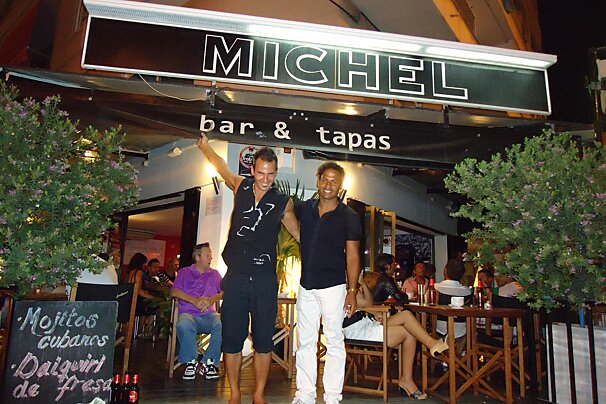
Bar Michel 
Bar Michel
Friendly gay-owned bar and restaurant with terrace in El Terreno
Bar Michel, tucked just behind Palma’s Paseo Marítimo, is a welcoming spot for locals and visitors alike, particularly those supporting the LGBTQ+ community. This charming bar and restaurant has built a reputation for its relaxed, casual atmosphere, making it perfect for a leisurely afternoon or evening of drinks and tapas.


Things to do in Puigpunyent
Puigpunyent is a sleepy village appealing to outdoor enthusiasts who want to get up close and personal with Mallorca’s countryside. Whether it be kicking back and relaxing with a book whilst enjoying the beautiful surroundings or indulging in some outdoor pursuits like hiking, abseiling and cycling, Puigpunyent certainly has something to offer.
Wine tastings and tours
There are a couple of vineyards available for wine tastings and tours within close proximity of Puigpunyent. Visits can be arranged by appointment and you can buy wine directly from the cellars. Enjoy a visit to family-run estates producing top-quality wines with vineyards dating back to the 16th century.
Things To Do in Puigpunyent
See all Things To Do in Puigpunyent-
Enquire 
La Reserva Puig de Galatzó Nature & Leisure Park
Nature & adventure park in Mallorca's Tramuntana mountains
La Reserva Puig de Galatzó is like an adventure park for both adults and kids offering not only a nature reserve but also activities like zip wires, climbing or a Tibetan bridge plus lots of animals.
Read more about La Reserva Puig de Galatzó Nature & Leisure Park

Cycling in Puigpunyent
There are dozens of road bike itineraries that can incorporate Puigpunyent on the route, as well as some exhilarating mountain trails available for mountain bikers.
Cycling Routes in Mallorca
See all Cycling Routes in Mallorca-
Seeing Palma by bicycle 
Seeing Palma by bicycle
Pedalling, sightseeing...plus waiting for biscuits and nuns!
Palma is a really bike friendly city. The giveaway is the prominent red cycle route running all along the Paseo Maritimo and through the city centre. The weather is perfect for it too. Despite the obvious benefits of urban exploration on two wheels, Palma on Bike was my first experience of cycling in the capital.
-
Palmanova to Santa Ponsa Cycling Route 
Palmanova to Santa Ponsa Cycling Route
Easy cycle route through the quieter areas of the south west resorts
A nice quiet route, if you stay away from the main roads and enjoy these resorts in a more laid back fashion.
-
Palma to S'Arenal Cycling Route 
Palma to S'Arenal Cycling Route
An easy route by the sea, following cycle paths from Palma to Playa de Palma
Enjoy a flat route by the sea that is completely on purpose made cycle paths so that it is safe for all the family to cycle. It takes you from the capital city of Palma to the beach resort area of Playa de Palma.
-
Santa Ponsa to Peguera Cycling Route 
Santa Ponsa to Peguera Cycling Route
Hills through the lovely countryside of the south west of Mallorca
A fairly easy cycle with a few hills to get the lungs and heart going - be careful of the midday sun!
-
Cycling from Palma to Playa de Palma 
Cycling from Palma to Playa de Palma
Bikes and beaches – Palma to Playa de Palma
On Saturday we hired bikes and set off on a hot afternoon to explore the beaches of Palma Bay. A shoreline cycle path runs from the northern end of Palma docks all the way to the resort S’Arenal in the south.
-
Port de Soller to Port d'Andratx Loop Cycling Route 
Port de Soller to Port d'Andratx Loop Cycling Route
Taking in some of Mallorca's most scenic roads in the west
The southern end of the Sierra Tramuntana does not have the epic climbs of the north, however this rolling ride provides no less than six different summits as well as some of Mallorca's most scenic roads.
Read more about Port de Soller to Port d'Andratx Loop Cycling Route


Hiking in Puigpunyent
The best-known hike in the area is the climb of Puig de Galatzo, which is not for the faint-hearted as it claims an ascent of 1,000m. Those who dare are rewarded with outstanding views from the top.
Walking Routes in Mallorca
See all Walking Routes in Mallorca-
Galatzo- Mallorca's Matterhorn, Puigpunyent 
Galatzo- Mallorca's Matterhorn, Puigpunyent
A striking landscape feature visible from miles around
From a distance this mountain looks like an impossible challenge, but the route is well graded with a handful of paths leading to its summit.
-
Visit website 
Mallorca Hiking Club - The Old Postman's Route
When a post for the Mallorca Hiking Club popped up on Facebook on a miserable February day, it immediately grabbed my attention. My New Year's Resolution to get fit was but a distant memory, and this sounded too good an offer to pass up. I have always fancied mooching around the pretty part of Mallorca that I knew existed, but with a hopeless sense of direction, I was nervous to go off on my own in case I got lost and ended half way up a mountain in the middle of nowhere.
Read more about Mallorca Hiking Club - The Old Postman's Route
-
Beautiful Hike from Capdella to Puigpunyent 
Beautiful Hike from Capdella to Puigpunyent
Lovely woodland hike with plenty of ups and downs
Puigpunyent is located on the south-west of the island. This walk provides some magnificient scenery without having to leave the road, which goes from Capdellà to Puigpunyent. The route takes in a series of ascents and descents, and cuts across woods and fields, with different views at each curve of the road.
-
A wintery coastal hike on Cami de Sa Volta des General 
A wintery coastal hike on Cami de Sa Volta des General
From Banyalbufar (Banalbufar) to Port des Canonge
On a sunny February Saturday morning, we drove towards Banyalbufar to try the leisurely but beautiful Port des Canonge hike, along a coastal path at the very edge of the majestic Serra de Tramuntana mountain range. The path is called Cami de Sa Volta des General, named after General F. Cotoner who, in the 19th century, was the owner of the Baronia estate, now a hotel in Banyalbufar.
Read more about A wintery coastal hike on Cami de Sa Volta des General
-
Hike from Andratx to Castle of Sant Elm 
Hike from Andratx to Castle of Sant Elm
Glorious semi-tropical vegetation on this walk
Andratx is located in the south-west of Mallorca. From Andratx, the walk begins in the direction of S'Arracó, three kilometres away. A short rest in this delightful village gives you enough time for a visit to the parish church, where there is a statue of the Virgin "Our Lady of la Trapa".
-
Hike from Valldemossa to Deia - Route of the Olive Trees 
Hike from Valldemossa to Deia - Route of the Olive Trees
Great views along the west coast of Mallorca
Valldemossa is located towards the west coast of Mallorca. The bus line to Valldemossa, Deia and Llucalcari allows access to some fantastic places of interest, the woods and mountains, and some tranquil coves to swim in.
Read more about Hike from Valldemossa to Deia - Route of the Olive Trees


Watersports in Puigpunyent
Watersports in Puigpunyent
See all Watersports in Puigpunyent-
Enquire 
Jet Ski Hire & Tours
30min & 1hr guided jet ski tours or jet ski hire in 20 minute blocks
Whiz around the local coastline with friends and family
-
Enquire 
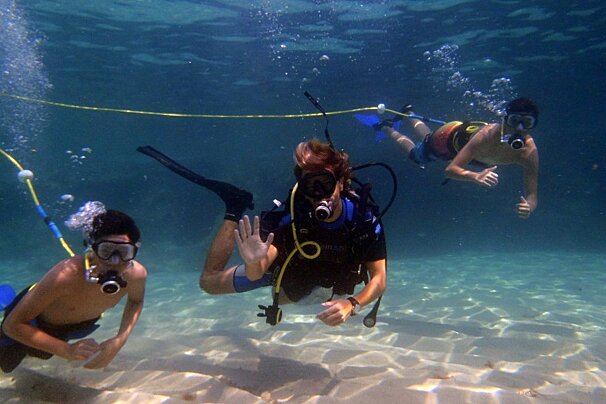
PETER Diving School
An introduction to diving in Mallorca
Keen on the idea of diving, but not so keen on wearing an air tank on your back? Well, maybe it's time to have a chat with PETER?
-
Enquire 
Private Swimming Lessons
Swimming instruction at your villa in Mallorca for all ages and abilities
Lessons delivered at your villa pool by qualified, insured and highly experienced instructors.
-
Enquire 
Canyoning
5hr, 6hr and 8hr canyoning trips in various locations across Mallorca
Enjoy an exhilarating day trekking and scrambling through gorges, waterfalls and jumping into giant rock pools.
-
Enquire 
Coasteering
3hr cliff jumping and abseiling adventure for families or groups of friends
An exhilarating rock and water activity suitable for families and adrenaline-junkies, a great way to explore the coastline of Mallorca.
-
Enquire 
Funny Beach WaterSports
Banana boats, parasailing, ringos and other fun stuff
Funny beach operates on Magaluf Beach, in front of MH Royal Beach, just down from Pirates.



Holiday Rentals in Puigpunyent
Short-term rental accommodation in Puigpunyent tends to be peaceful and scenic, with options that make the most of the surrounding countryside. You’ll find stone-built houses and fincas with traditional features like wooden shutters and tiled floors, often set against a backdrop of mountains and olive groves. Many places come with gardens, terraces or pools, ideal for relaxing after a day out. The village itself is quiet, but staying here gives you a real sense of rural Mallorca while still being within easy reach of Palma. It’s a good choice if you’re looking for space, calm and a more authentic experience.
Holiday Rentals in Puigpunyent
See all Holiday Rentals in Puigpunyent-
Enquire 
Palma Suites Residence - Junior Suite Apartment
1 bedroom Apartment in Mallorca. Sleeps 2
This fully equipped apartment is ideal for two guests.
Read more about Palma Suites Residence - Junior Suite Apartment
-
Enquire 
Palma Suites Residence - Standard Suite Apartment
1 bedroom Apartment in Mallorca. Sleeps 2
This fully equipped and comfortable apartment is ideal for two guests.
Read more about Palma Suites Residence - Standard Suite Apartment
-
Enquire 
Palma Suites Residence - Triplex Deluxe Suite Apartment
1 bedroom Apartment in Mallorca. Sleeps 2
This fully equipped and spacious apartment is set on three levels, providing an original and fun accommodation for two.
Read more about Palma Suites Residence - Triplex Deluxe Suite Apartment
-
Enquire 
Palma Suites Residence - Triplex Suite Apartment
1 bedroom Apartment in Mallorca. Sleeps 2
This fully equipped and unique apartment is set on three levels, providing a quirky and fun accommodation for two.
Read more about Palma Suites Residence - Triplex Suite Apartment
-
Enquire 
Palma Suites Residence - Penthouse Suite Apartment
1 bedroom Apartment in Mallorca. Sleeps 2
This spectacular loft apartment is fully equipped and provides delightful accommodation for two.
Read more about Palma Suites Residence - Penthouse Suite Apartment
-
Enquire 
Palma Suites Residence - Penthouse Supreme Suite Apartment
1 bedroom Apartment in Mallorca. Sleeps 2
This stunning duplex apartment is fully equipped and provides spacious accommodation for two.
Read more about Palma Suites Residence - Penthouse Supreme Suite Apartment


Hotels in Puigpunyent
There are a couple of hotels near Puigpunyent that offer a peaceful and comfortable base for exploring the area.
Set just above the village, expect rural retreats housed in historic buildings with stunning views, beautifully kept gardens and a pool overlooking the valley. The interiors will reflect traditional Mallorcan style with a refined touch, making it ideal for those after a quiet, indulgent stay.
If you're staying in the valley there are hotels located in centuries-old estates offers a more rural feel, with garden terraces, sweeping views of the Tramuntana mountains and a calm, homely atmosphere perfect for unwinding.
Hotels in Puigpunyent
See all Hotels in Puigpunyent-
Check Booking.com 
Grand Hotel Son Net
A boutique hotel traditionally styled in a rural setting
One of Mallorca's best boutique hotels; Grand Hotel Son Net is a stylishly restored 17th century mansion offering the essence of Mallorcan classicism combined with luxury and grandeur.
-
Check Booking.com
Sa Plana Petit Hotel
Family-run rural hotel with cosy rooms and sea and mountain views
Set on a small farm above the village, Sa Plana Petit Hotel is a family-run property housed in a restored traditional Mallorcan farmhouse. Opened as a hotel in 1997, it retains its original character, with warm tones and simple, country-style features creating a relaxed and welcoming atmosphere.
-
Check Booking.com
Son Pont Finca Hotel
Tranquil mountain retreat with private apartments, pool and authentic Mallorcan charm
Set in the tranquil Puigpunyent Valley within the stunning Serra de Tramuntana, Son Pont Finca Hotel offers an intimate escape where comfort, style and privacy come together. This charming property features eleven spacious apartments designed to give you the independence of a home with the amenities of a boutique hotel, making it the perfect base to relax and explore Mallorca.
-
Check Booking.com 
Castell Son Claret
A medieval castle turned into luxury hotel
First mentioned in 1450, this site consists of various properties united in the 18th century to form a 132-acres estate. The current buildings, reformed in the 19th century, have been lovingly restored in 2013 to open as a luxury hotel that includes beautiful gardens.
-
Check Booking.com 
La Posada Del Marques Hotel
A finca hotel is located on the southern branch of the mighty mountain range of Sierra de Tramuntana.
Situated in the valley of Es Verger, a nature reserve with breathtaking views over the south of the island, at 510 metres of altitude. The hotel is in a 16th-century manor.




How to get to Puigpunyent
By car
Car hire is a viable option in Mallorca and Puigpunyent is a 30 minute drive from Palma airport. Or take the worry out of getting from the airport and book a transfer.
Public transport
There is a direct bus from the airport. Check for times.
Transfers for Mallorca
See all Transfers for Mallorca-
Visit website 
Luxury Chauffeur Services
Exclusive luxury travel across Mallorca in a Rolls Royce
Experience luxury and convenience with this company. Arrive at your yacht charter, sunset tour or boat trip in unparalleled style in a Rolls Royce Ghost.
-
Enquire 
Private Airport Transfers
Private taxis, minibuses & coaches for Ferry & Airport Transfers in Mallorca
The established company have been offering a reliable, reasonably priced, private transfer service in Mallorca since 1993.
-
Enquire 
Private Airport Transfers
Door to door airport transfers to anywhere on the island
Great quality service at rates that are irresistible. This company exclusively transfer you around Mallorca without having to pay an excessive price.
-
Enquire 
Private Airport Transfers
Taxis and minibuses to cater for up to 55 passengers
A group of taxi drivers with many years of experience in the sector of airport transfers in Mallorca. You can book online in advance or call to book last-minute.
-
Enquire 
Private Taxi Transfers
Taxi service to and from the airport
This taxi company offers 24-hour service from the airport to your accommodation all around Mallorca.
-
Enquire 
Private Taxi Transfers
Airport transfers to destinations throughout Mallorca
The only British taxi driver in Mallorca, offering airport transfers to destinations throughout the island.






Property For Sale in Puigpunyent
Property for Sale in Puigpunyent
See all Property for Sale in Puigpunyent-
Visit website 
Apartment for Sale | 8367
2 bedroom, 2 bathroom, 55m² apartment in Port de Pollença
This stunning penthouse in Puerto Pollensa is the perfect holiday rental option for up to four people. Situated on the first line of the sea, it's conveniently located near excellent restaurants, bars, and basic amenities.
Apartment for Sale | 8367
€745,000 -
Visit website 
Apartment for Sale | 8514
3 bedroom, 2 bathroom, 125m² apartment in Port de Pollença
Bright, fully renovated apartment located on the third floor of a building with lift, within a quiet community of only six neighbours, right in the centre of Puerto Pollensa. The beach, main square and the famous Pine Walk are all within easy walking distance.
Apartment for Sale | 8514
€450,000 -
Visit website 
Apartment for Sale | 8515
2 bedroom 2 bathroom, 87m² apartment in Pollenca
This apartment for sale in Pinaret is a rare opportunity. It features two bedrooms and two bathrooms, plus two balconies. The standout feature is the private rooftop terrace, offering plenty of space to relax and enjoy the sun. A valid rental license makes this property particularly appealing, as licensed apartments rarely come onto the market.
Apartment for Sale | 8515
€550,000 -
Visit website 
Apartment for Sale | 8523
3 bedrooms, 1 bathroom, 63m², Apartment in DE POLLENÇA
Bright apartment located in the peaceful residential area of Siller, in Puerto Pollensa, with pleasant open views towards the mountains and the natural surroundings.
Apartment for Sale | 8523
€367,000 -
Visit website
Apartment for Sale | 8527
3 bedrooms, 1 bathroom, 80m², Apartment in DE POLLENÇA
Enjoy an exceptional seafront lifestyle with this three-bedroom apartment for sale in Puerto Pollensa, occupying a privileged frontline position with beautiful open views across the bay.
Apartment for Sale | 8527
€599,000